
Dear Reader,
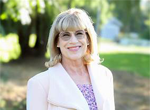 Today’s guest author, Tess Perko grew up in Sacramento and Suffolk, England. Formerly a journalist and English professor, she is the author of several short stories and poetry. In addition to writing, Tess raises money for scholarships for college and vocational students; teaches essay and journaling workshops to emancipated foster youth; studies Spanish; and enjoys growing roses. She lives with her husband, Robert, in the San Francisco Bay Area.
‘Learning to Whistle: A Novel’ is her debut novel… For fans of Sue Monk Kidd and Joyce Manard, a debut contemporary women’s fiction novel about a recently bereft daughter who journeys to South America to run away from her grief–and instead finds self-discovery and
healing.
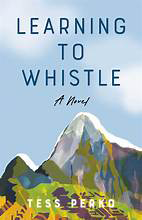 Tess is giving away a copy of ‘Learning to Whistle’ to five readers. To enter the drawing, drop Tess a note via: https://tessperko.com/contact/ Be sure to include your shipping address in case you are a winner.
Welcome to the book club, Tess Perko…
Farmer DNA
My dad used to say, “You can take a man away from the farm, but you can’t take the farm out of the man.” True words. The urge to plant is buried deep in my DNA.
In 1886, my great-great grandfather, Ignacius, a Polish immigrant, bought a farm near the Mississippi River in Fountain City, Wisconsin. When he died, his son Theodore ran the farm. Today, my uncle David, 95 years old, owns the farm with his wife Linda.
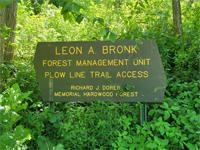 My great grandfather, Theodore’s youngest brother, Leon Sr., bought another piece of property in the Winona area in the 1920s. He and his family lived in a white clapboard house at the bottom of a ridge where he planted a family garden and built a barn for cattle and horses. Later, he bought some farms at the top of the ridge. His oldest son, Leon Jr. lived in one of the farm houses with his family. My father, Paul, Uncle David, and their siblings, spent several years of their childhood there.
In 1969 when he was 81-years-old, my great-grandfather sold the land to the State of Minnesota to become part of the Richard J. Dorer Memorial Hardwood State Forest. Since much of the property rises 500 feet above the surrounding valleys, hikers and bikers now enjoy tremendous scenic views of the land and water below. White pine trees bury much of the evidence of my family’s farm living.
However, the names in the park recall the farms that once were. The main road, the Bronk Unit Plowline Trail refers to the line where my father and his brother, David, stopped plowing the alfalfa fields. One particular ridge, named Straw Pile Hill, is where Paul and David dumped the hay that they harvested from the fields and where they picked it up to haul it off to be sold. Another ridge in the park, known as Cherry Hill, was named for the cherry trees planted there.
Every few years, my cousins and I hike together through this land. Over the years, we have crawled through the ruins of my great-grandfather’s house. We unsuccessfully searched for his moonshine still. We found a rusty blade from a childhood snow sled. We discovered wild carrots and asparagus, left-over souvenirs from our family’s gardens.
Today, my cousins own farms. One owns a farmer’s market. My father, gone now, had a farm in the California suburbs. And I grow flowers.
My great-grandfather may have given away the farm, but he didn’t erase the farming instinct buried deep in the DNA of his descendants.
— Tess Perko
Tess is giving away a copy of ‘Learning to Whistle’ to five readers. To enter the drawing, drop Tess a note via: https://tessperko.com/contact/ Be sure to include your shipping address in case you are a winner.
Thanks for reading with me. It’s so good to read with friends.
Suzanne Beecher
Suzanne@DearReader.com